How to Vet a Dropshipping Supplier Before Running Ads
A practical sample-order process for checking product quality, delivery, stock, and support before sending paid traffic.
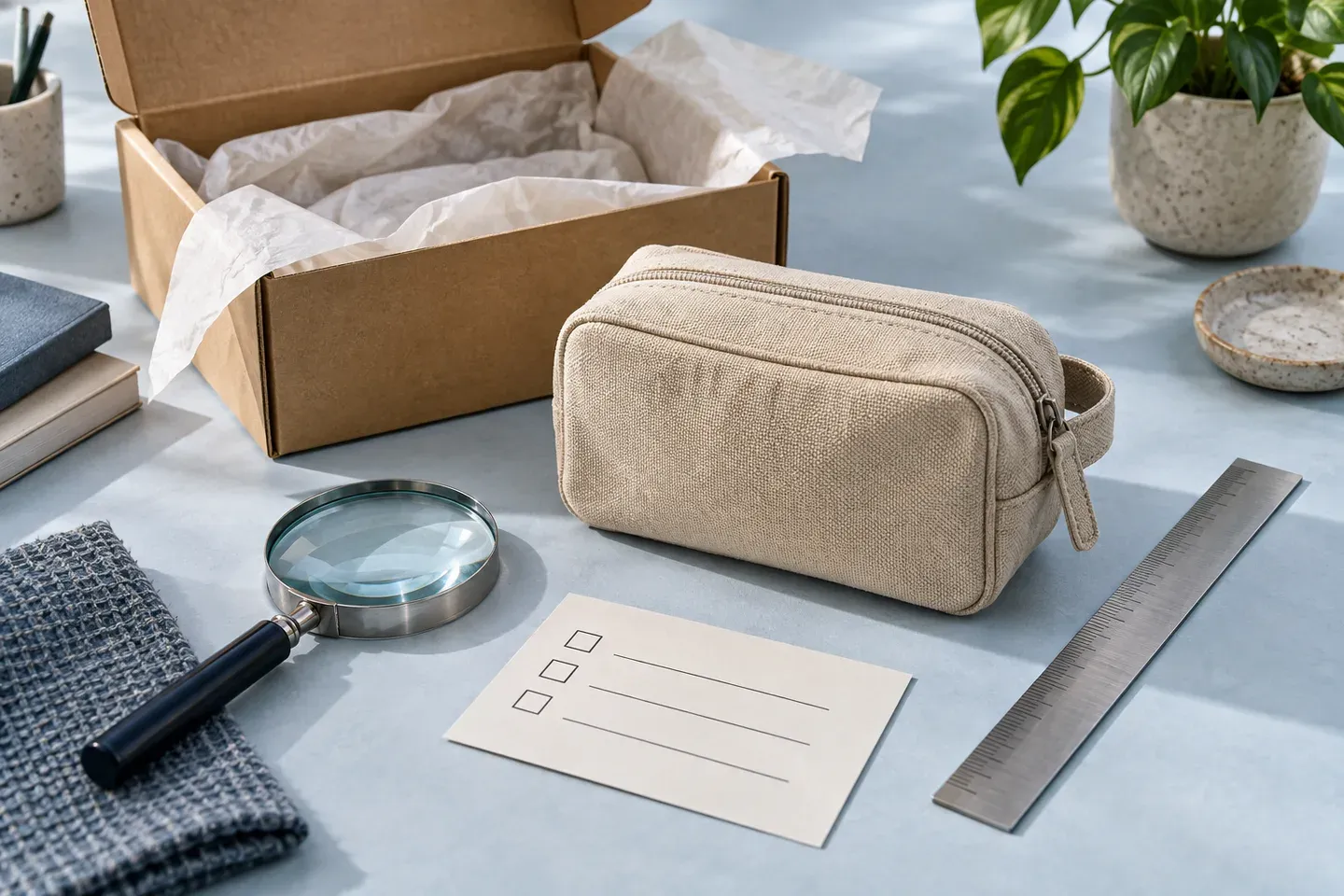
A supplier is not ready for paid traffic because the product photos look good. You need to know what gets delivered, how long it takes, and what happens when the order goes wrong.
The cheapest useful test is usually a sample sent through the same route you intend to use for customers. A parcel sent to your home in a different country answers a different question.
Define the product precisely
Write down the variant, dimensions, material, included accessories, and packaging. Save the supplier listing and the quote date. “Same as the photo” is too vague when there are several versions of a product.
Ask about the details a buyer would notice. Does the cable come in the box? Is the fabric lined? Does the size chart describe the garment or the person wearing it? A wrong assumption here becomes an inaccurate product page later.
For products where safety or compliance is material, supplier assurances alone are insufficient. This checklist is an operational screen, not a substitute for product-specific compliance review.
Compare a delivered quote
Request the price of one exact variant to one destination, including the shipping method and any separate handling charges. Ask whether the quote assumes existing stock or a fresh sourcing order.
CJ publishes separate fee categories for services such as storage and warehouse handling. Its existence as a sourcing platform does not make every possible fulfillment service free. CJ service fee schedule.
A supplier that costs more per item may still produce a cheaper delivered order. The reverse happens too. Keep the comparison tied to a real destination rather than a promotional shipping banner.
Record four dates on your sample order
- When the order was paid.
- When the supplier said it was dispatched.
- When the carrier first recorded possession or movement.
- When it arrived.
The distinction between a tracking number and a moving parcel is worth checking. A label can exist before a carrier has the package.

Zendrop’s fulfillment guidance separates processing from transit. Use that distinction when evaluating any provider; a quoted shipping window is not necessarily the entire customer wait. Zendrop fulfillment FAQs.
One successful sample does not establish an average delivery time. It does reveal obvious problems before you expose paying customers to them. Repeat the test if a variant, warehouse, or shipping method changes materially.
Inspect it as a customer would
Photograph the parcel before opening it. Check the outer packaging, the item, instructions, accessories, and any supplier paperwork. Use the product for its intended purpose where it is safe to do so.
Compare it with your planned product page, not just the supplier’s listing. If your marketing depends on a sturdy hinge and the sample feels flimsy, better copy will not fix the offer.
Keep a short record:
| Check | Evidence to keep |
|---|---|
| Correct variant | Label and product photo |
| Packaging condition | Photo before opening |
| Function and finish | Notes from normal use |
| Delivery route | Tracking history and dates |
| Listing accuracy | Differences to correct before launch |
Ask an awkward support question now
Describe a plausible problem: the wrong variant arrives, the tracking stalls, or one item in a bundle is missing. Ask what evidence the supplier needs, how you open a case, and whether the proposed resolution is a refund, replacement, or credit.
You are testing how clearly they answer, not trying to manufacture a complaint. Save the reply. “We take care of everything” is less useful than a documented process with conditions you understand.
Ask about stock too. Who alerts you when a variant is unavailable? Can the product be substituted? For a product with distinctive materials or sizing, an unapproved substitution can be worse than a cancelled order.
Decide what would make you reject the supplier
Set the criteria before the sample arrives. Examples include a missing accessory central to your offer, unusable tracking, or support that cannot explain the dispute process. A low product price should not quietly erase those criteria.



If you already have an AliExpress source and want to compare it with a sourcing service, read DSers vs CJdropshipping. If you are still choosing a fulfillment platform, start with AutoDS vs Zendrop.
Do the unglamorous test first. It is much easier to change suppliers before the product has customers waiting for it.
Before choosing a warehouse, compare US and overseas supply routes for the actual SKU and destination. If you already have orders in flight, use the supplier-change procedure to keep existing orders tied to the source that accepted them.
Sources checked September 10, 2026. This is an editorial testing procedure; we have not placed sample orders with these suppliers for this article.
Research and editorial
The in-house team responsible for tool reviews, comparisons, and workflow guides.